20 June 2026 · 4 min read
what's in the colour: the dyes behind löyl bloom
himalayan rhubarb, turmeric, myrobalan, indigo plants and lac resin. what each colour in drop 02 is dyed with, and who dyed it.
For löyl bloom, our second drop, we wanted colours we could name all the way down. Not “natural tones” or “earthy shades”. The actual roots, fruit and resin, written on the tag of every hat.
So this is the list. Four colours, five dye materials, one mordant, and two people who made it all happen.

who coloured them
Our dye house in Nepal is run by Shanti, who owns it, and her daughter Sara. Every colour in drop 02 came through their hands. The hats themselves are made by hand in the foothills of the Himalayas.
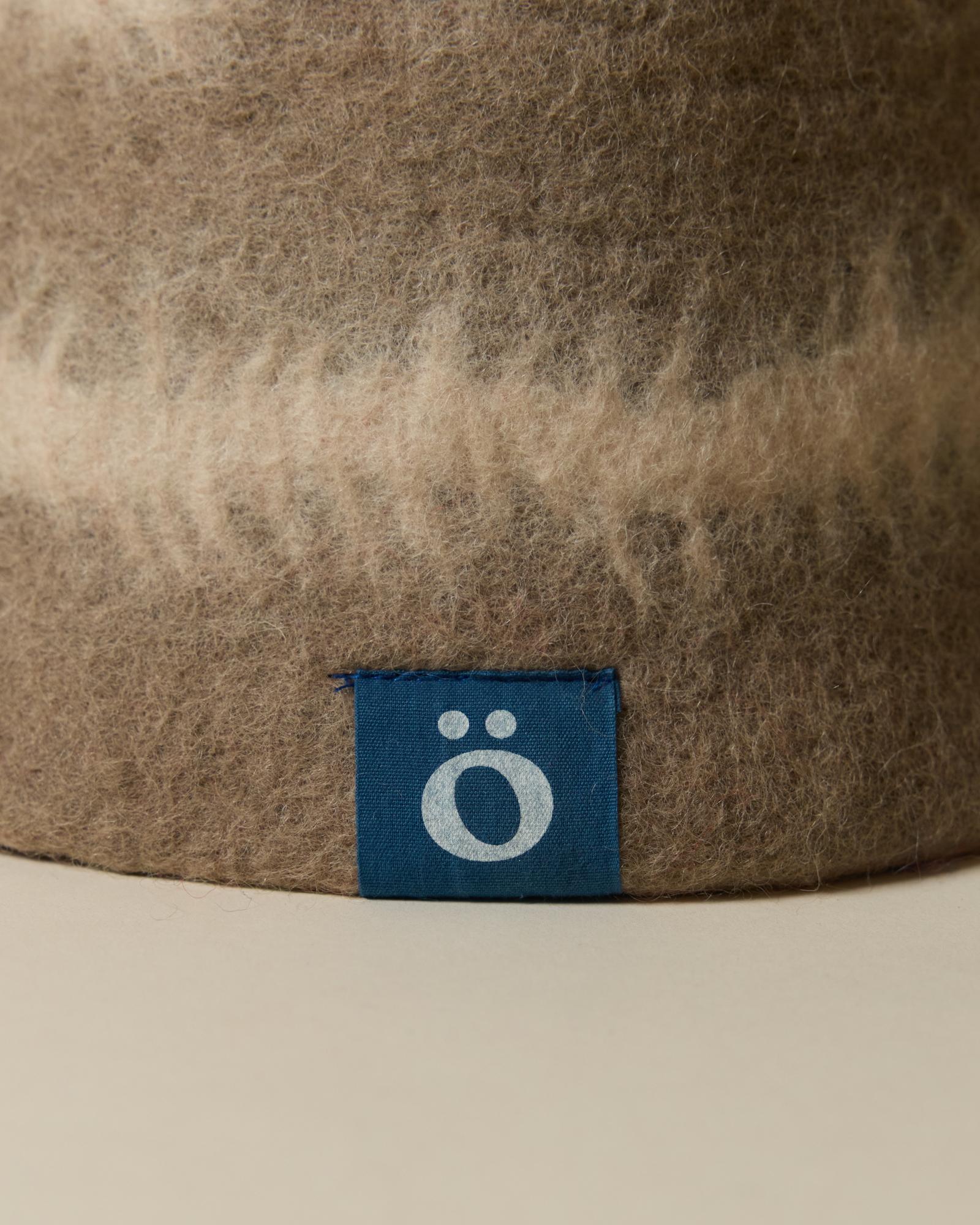
moss
Moss is dyed with himalayan rhubarb, turmeric and myrobalan. It’s the colour of the hill behind the sauna in late autumn. 40 made.
lake
Lake is dyed with indigo plants. A deep, dark blue, the colour of cold water on a grey morning. 10 made.

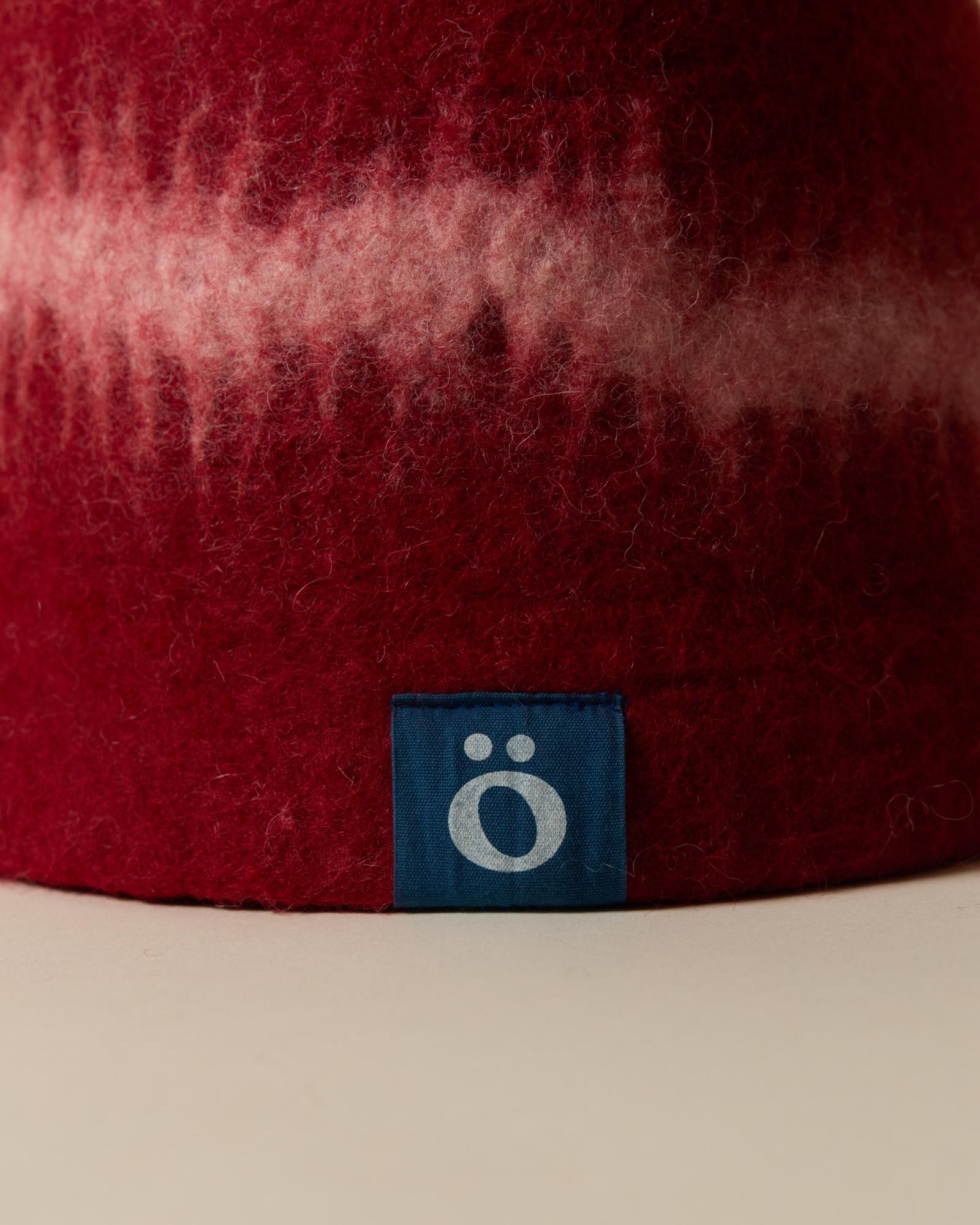
ember
Ember is dyed with lac resin and myrobalan. A deep red, the colour of the stove once it’s been going a while. 40 made.
flush
Flush is dyed with lac resin on its own, and it’s the softest colour in the drop. 10 made.
a note on lac
Lac resin is made by a tiny insect that lives on trees, and it has coloured wool and silk for a very long time. The same resin, refined another way, becomes shellac. Because it comes from an insect, we describe the drop 02 range as coloured with plants and resin, and we don’t call ember or flush plant-dyed.
alum
Every colour is set with alum, a mineral salt. It’s the least romantic thing on the list, and it’s on every tag anyway.
why no two look quite the same
Natural colour doesn’t behave like a paint chip. Each batch lands a little differently, and each hat has a tie dye look of its own, so no two look quite the same. The colour also softens with heat and time. After a winter on the bench, your hat will look a little different from the day it arrived.
We honestly don’t know yet exactly how each of these colours will look after a few hundred rounds. We’ll find out with you.